The Tâmega River originates in Galicia and enters Portugal through Chaves, flowing for about 145 kilometres before emptying into the Douro near Marco de Canaveses. Along this route, the Tâmega traverses diverse landscapes — from the wide basin of Chaves and the Mondim de Basto mountains to the narrower valley leading to Amarante — creating conditions for very different river beaches. This north-to-south itinerary follows the river and its beaches, combining nature, history, gastronomy, and the winemaking flavours of northern inland Portugal.
Chaves — Roman baths and beach on the Tâmega
Chaves is a border city with a remarkable history. Its Roman bridge, dating from the 1st century AD, measuring 140 metres long with 16 arches, is one of the best-preserved monuments of Roman presence in Portugal. The bicarbonate and radioactive thermal waters of Chaves — the second richest in Europe for carbonic acid — have attracted visitors for two millennia, and modern thermal establishments continue to exploit this exceptional natural resource. The Chaves River Beach is located on the banks of the Tâmega, in a calm meander area near the city, with a calm river and suitable infrastructure for an afternoon swim.
Don't miss: the Roman bridge, the medieval castle with the Flavian region museum, and Chaves ham — one of Portugal's most famous cured meats
Wine: Chaves is the seat of the Chaves Denominação de Origem (Protected Designation of Origin), which produces Alvarinho and other Trás-os-Montes varieties with a distinct profile from Minho Alvarinho — more structured and less aromatic.
Mondim de Basto — mountain, freshness and the Cabril River
Halfway between Chaves and Amarante, Mondim de Basto is located at the foot of the Serra do Alvão, whose Natural Park is one of the most beautiful protected areas in northern inland Portugal. The river that flows through Mondim is the Cabril, a tributary of the Tâmega, which descends from the mountains with characteristic coldness and purity typical of high-altitude waters. The Mondim de Basto River Beach benefits from this freshness — the water is notoriously cold even in August, making it especially appreciated on hotter days. The granite surroundings and riparian vegetation create a cool and quiet environment difficult to find elsewhere.
Recommended excursion: climbing to Senhora da Graça at the top of Serra do Alvão with panoramic views over all northern Portugal
Gastronomy: Alvão mountain lamb, wild mushrooms, heather honey
Amarante — Baroque style, pastries and the golden Tâmega
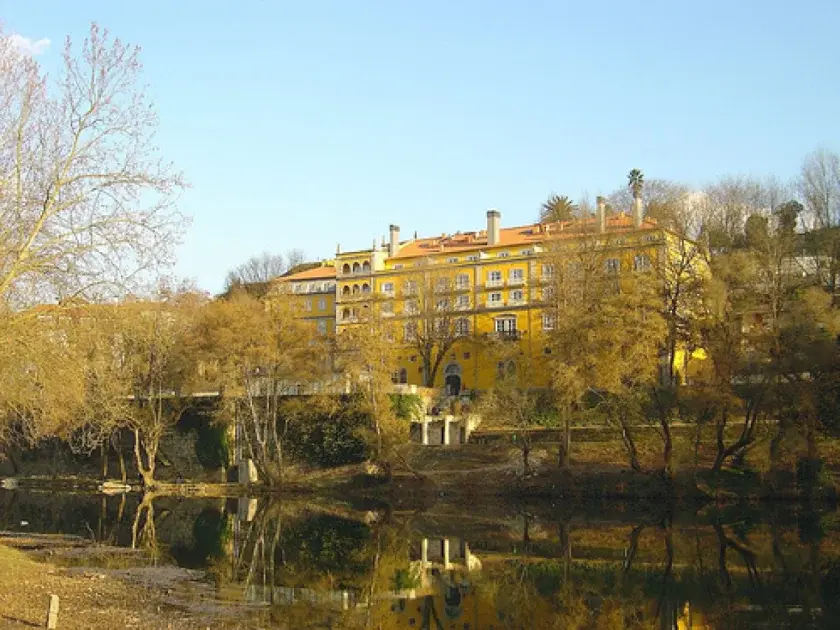
Amarante is, for many, the most beautiful city in northern Portugal. The historic urban complex overlooking the Tâmega — with the São Gonçalo Church and Convent, the 18th-century Baroque bridge, stone viewpoints and noble houses — is one of the country's most photographed sites. The river flows calmly and golden under the bridge, reflecting the façade of São Gonçalo Church in a mirror of water that, at certain times of day, displays almost unreal beauty. The Amarante River Beach is located right below the historic bridge, with golden sand and a location unmatched by any other river beach in Portugal.
After swimming, there is a gastronomic obligation: São Gonçalo cakes and Amarante pastries, conventual sweets made of eggs and sugar with an ancient recipe sold at all the city's bakeries.
Photography: The view of the bridge over the Tâmega at sunset, framed by the beach and São Gonçalo Church, is one of the most iconic images in northern Portugal
Practical information for the itinerary
- Total distance: about 130 km from Chaves to Amarante via IP3 and N312
- Suggested duration: two days (stay overnight in Mondim de Basto or Amarante) to enjoy without rushing
- Best time: June to September for beaches; all year round for culture and gastronomy
- Access: from Porto, Amarante is ~60 km via A4; Chaves is ~180 km via A24
- Photography: Amarante at dawn and Chaves at dusk are the moments of best light
Explore detailed profiles for each beach in our directory for complete access information and bathing season details.