Camping on the Beach in Portugal 2026: Is It Illegal? Rules, Fines, and Where to Legally Spend the Night
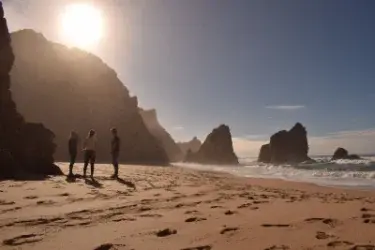
After a perfect sunset over the Atlantic, it's tempting to stay a little longer — pitch a tent, roll out a sleeping bag, and wake up to the sound of the waves. Every summer, especially along the Costa Vicentina, the coastal trails of the Alentejo, and the quieter beaches of the Algarve and the north, some visitors try it. And every summer, GNR, Maritime Police and ICNF patrols hand out dozens of fines for exactly that.
This guide walks foreign visitors through what Portuguese law actually says about camping on the beach, how it differs from simply staying late to watch the stars, what the fines really cost in 2026, why protected areas like the Costa Vicentina are patrolled so heavily, and where you can legally spend the night near the coast without risking a fine or damaging the dune ecosystems that protect the beach itself.
What Portuguese Law Says About Camping on the Beach
Rules for Portugal's maritime beaches are set out in each beach's official bylaw (Edital de Praia), based on Decree-Law 159/2012 of 24 July, which governs the management and policing of bathing areas nationwide. Among the conduct explicitly banned on the sand is "camping or any form of overnight stay" — which covers pitching a tent, laying out a sleeping bag, an air mattress, or even a hammock, regardless of whether it involves a fixed structure.
Enforcement is shared between the National Maritime Authority (through its Maritime Police), the GNR (national guard) and the PSP (public security police), depending on which body has jurisdiction over the beach. On beaches with lifeguard concessions, lifeguards and concession operators can also flag unauthorized overnight stays to the authorities, particularly outside the official bathing season when there's less staff presence on the sand.
Camping vs. Sleeping in a Car vs. Staying Late: Where the Line Is
Not every long evening on the beach is illegal. Portuguese law draws a clear line between simply enjoying the beach — including staying to stargaze or watch the sunrise — and setting up overnight sleeping gear. Sitting on a towel after dark isn't, on its own, an offence; pitching even a small tent "just for a nap" already counts as camping under the Beach Bylaw.
Motorhomes and caravans fall under their own, separate set of parking and overnight-stay rules. If that's your situation, our dedicated guide to motorhomes on Portugal's beaches covers exactly where overnight parking is and isn't allowed. The key legal distinction: sleeping inside a vehicle parked in an authorized spot is treated very differently from pitching a tent on the sand or in the dunes.
How Much Is the Fine for Camping on a Beach in Portugal
Breaches of the Beach Bylaw are administrative offences, not crimes — they don't create a criminal record, but they do come with a fine. The amount depends on severity, whether it's a repeat offence, and whether the beach sits inside a protected natural area.
| Situation | Legal Basis | Approximate Fine | Enforced By |
|---|---|---|---|
| Pitching a tent / overnight stay on a regular beach | Beach Bylaw (Decree-Law 159/2012) | €55 – €550 | Maritime Police, GNR, PSP |
| Repeat offence or refusal to leave | Beach Bylaw | Up to double the base fine | Maritime Police, GNR, PSP |
| Camping inside a protected area (e.g. Costa Vicentina) | Protected area management plan / Natura 2000 regime | Up to €4,000 | ICNF, GNR-SEPNA, Maritime Police |
| Camping outside a licensed park, near urban or public areas | Tourism enterprises legal regime (camping) | Up to €550 | GNR, local councils |
These figures are approximate, drawn from current legislation and cases reported by the Portuguese press through 2026 — the exact fine always depends on the officer's assessment on the ground and the precise framing of the offence.
Costa Vicentina and Other Protected Areas: Tougher Enforcement
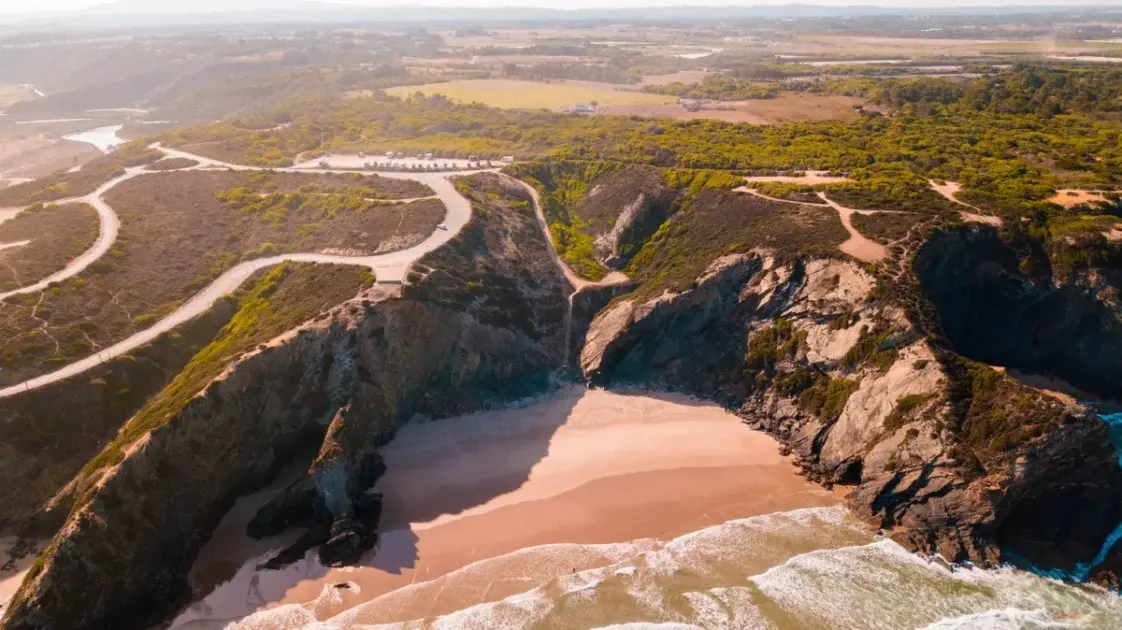
Over the past few summers, the Sudoeste Alentejano e Costa Vicentina Natural Park has become the clearest example of how enforcement against wild camping has intensified in Portugal. Joint operations by ICNF rangers, GNR and the Maritime Police along the coastline between Sines, Vila Nova de Milfontes, Odeceixe and Aljezur have resulted in hundreds of citations for illegal camping and campervanning in a single bathing season, with fines in the most serious cases reaching up to €4,000.
The stricter enforcement isn't just about the law — it's also about ecology. The coastal dunes of the Costa Vicentina, classified under the EU's Natura 2000 network, host vegetation and wildlife that are highly sensitive to repeated foot traffic and camping structures, with a direct impact on the stability of the dune system that protects the coast itself from erosion. Anyone planning a multi-day trek along the Rota Vicentina or other Portuguese coastal trails should plan overnight stops in advance — never on the beach or in the dunes, but at authorized accommodation or licensed campsites along the route. Our complete guide to the Costa Vicentina lists the region's beaches and what to do at each one, including nearby accommodation options.
Where You Can Legally Spend the Night Near the Coast
The good news is that Portugal has an extensive network of licensed campsites, many within walking or cycling distance of popular beaches, from the Algarve to the northern Costa Verde. The Federação de Campismo e Montanhismo de Portugal (Portugal's official camping and mountaineering federation, a public-interest body since 1978) maintains a directory of licensed parks that meet the country's safety, sanitation and planning requirements — the simplest way to find a legal option near your destination.
In more remote or protected stretches of coast, such as parts of the Costa Vicentina or the Arrábida Natural Park, overnight stays outside licensed campsites can require prior authorization from ICNF, Portugal's nature conservation institute — typically reserved for scientific research or organized events, not casual tourism. For travelers who want to sleep close to nature without breaking the law, coastal guesthouses with sea views, seaside youth hostels, and campsites with dedicated tent pitches remain by far the safest — and cheapest — option compared to risking a fine.
What to Do If You're Approached by the Authorities
If you're caught pitching a tent or settling in for the night on a beach, the practical advice is simple: cooperate with the officer, show identification if asked, and pack up your gear immediately if instructed to do so. Refusing to leave can increase the fine. The citation must clearly state which rule was broken, the fine amount, and the deadline for payment or appeal — as with any administrative offence in Portugal, you have the right to contest the decision with the relevant authority within the timeframe stated on the citation itself.
Frequently Asked Questions
Is camping on a beach a criminal offence in Portugal? No. It's an administrative offence (contraordenação), punishable by a fine, and it doesn't create a criminal record. The fine can, however, be significantly higher inside protected areas like the Costa Vicentina.
Can I stay on the beach after sunset without a tent? Generally yes — staying to watch the sunset or the stars is allowed, as long as you don't set up overnight sleeping gear or leave camping equipment on the sand overnight. Some beaches do have locally set closing times, though.
Is sleeping in a car at a beach car park the same as camping? Not exactly, but it has its own separate rules, especially for motorhomes and caravans — check our dedicated guide on that topic to see exactly where overnight vehicle stays are permitted.
Are there any beaches in Portugal where camping is allowed? There's no general exception that allows camping directly on the sand of any Portuguese beach. The legal alternative is always a licensed campsite, and many of these sit right next to the coast.
Why is enforcement so much stricter in the Costa Vicentina? Because it's classified under the EU's Natura 2000 network, with sensitive dune ecosystems. ICNF works alongside GNR and the Maritime Police in regular summer patrols, with fines that can reach €4,000.
Bottom Line
Pitching a tent or sleeping on the sand might seem harmless, but it's one of the most actively policed offences on Portugal's beaches, with fines ranging from €55 up to €4,000 depending on location. The good news is that Portugal offers plenty of legal alternatives — from seaside campsites to local guesthouses with ocean views — that let you experience waking up near the waves without any risk. Before your next coastal getaway, it's also worth checking our full guide to beach fines and general rules in Portugal, our guide to motorhomes and overnight vehicle stays, and the current list of beaches temporarily closed to swimming before you plan your trip.