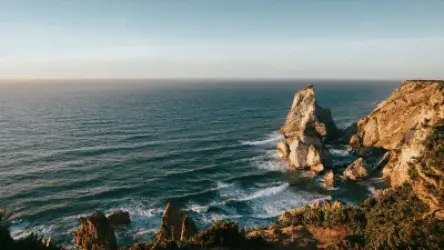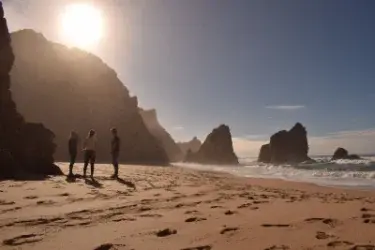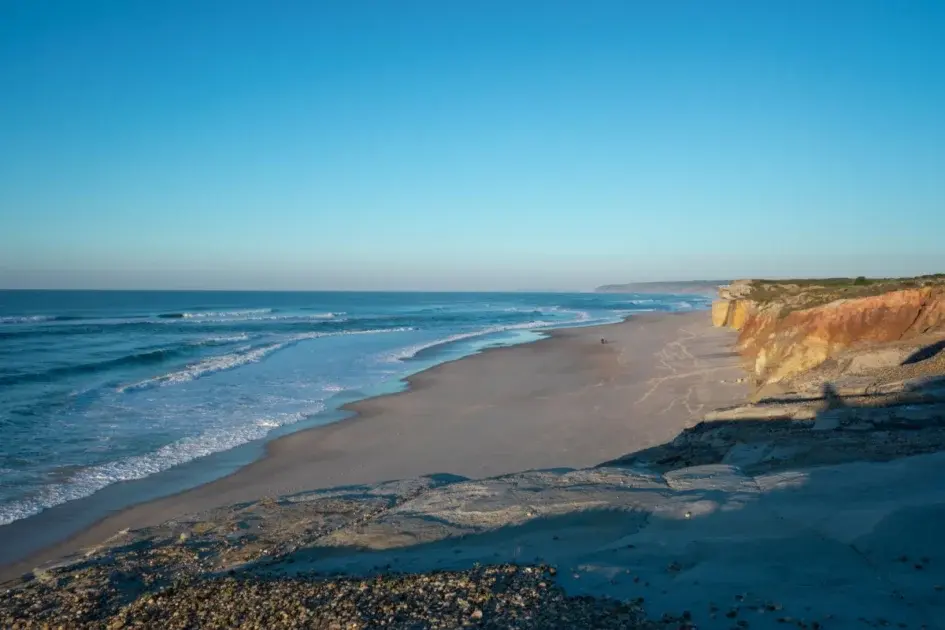
Portugal has one of the longest coastlines in Western Europe — more than 1,800 km of Atlantic coast — and one of the least celebrated characteristics of that coastline is its extraordinary beauty outside the beach season. While summer draws millions of visitors to the beaches of the Algarve and the Lisbon coast, the months of November to March offer a completely different experience: deserted beaches, golden winter light, mild temperatures (especially in the south), and accommodation prices 30 to 50 per cent lower than at the height of summer.
Having spent several winters travelling the Portuguese coast, we have discovered that visiting beaches off-season is not a compromise — in many cases, it is the best way to truly know them. This guide covers everything you need to plan a visit to Portugal's beaches between November and March: temperatures by region, the beaches that shine brightest in winter, what to do when swimming is not on the agenda, and practical tips for making the most of this season.
Why Visit Portugal's Beaches in Winter
The most common question we receive is straightforward: "Is it worth going to the beach in Portugal in winter?" The answer depends on what you are looking for — but for most people who value landscapes, tranquillity and authenticity, the answer is unequivocally yes.
The Advantages of the Portuguese Coast Off-Season
- No crowds: Beaches that receive thousands of visitors daily in August are completely deserted between November and February. You can have iconic beaches like Praia da Marinha, Praia do Amado or Praia da Adraga entirely to yourself.
- Exceptional photographic light: The winter sun, lower on the horizon, creates a golden, raking light that transforms any coastal landscape. Photographers know this well — it is why so many of the finest photographs of the Portuguese coast are taken between October and March.
- Significantly lower prices: Accommodation, restaurants and tourist activities charge low-season prices with reductions ranging from 30 to 50 per cent compared to summer. Algarve towns show the greatest price variations between high and low season.
- Authentic local life: Off-season, the beaches and coastal villages return to their inhabitants. Fresh fish restaurants have tables available, fish markets operate at local pace, and it is much easier to have genuine conversations with fishermen, surfers and residents.
- Best for surfing: Winter is, paradoxically, the best season for surfing in Portugal. Atlantic lows generate more consistent and powerful swells, and beaches like Nazaré, Supertubos (Peniche), Sagres and the Costa Vicentina reach their peak between October and March.
Portugal Beach Temperatures by Region in Winter
Portugal has a Mediterranean climate with Atlantic influence, which means winter is significantly milder than in most of Europe. However, there are meaningful differences between the north and south of the country that are worth knowing before planning your trip.
| Region | December | January | February | Sea Temp. |
|---|---|---|---|---|
| Algarve | 16–18°C | 15–17°C | 16–18°C | 14–16°C |
| Lisbon / Setúbal | 14–16°C | 13–15°C | 14–16°C | 13–15°C |
| Alentejo Coast | 14–17°C | 13–16°C | 14–17°C | 13–15°C |
| Centre (Peniche, Nazaré) | 12–15°C | 11–14°C | 12–15°C | 12–14°C |
| Porto / North | 11–14°C | 10–13°C | 11–14°C | 12–13°C |
| Madeira | 19–22°C | 18–21°C | 18–21°C | 19–21°C |
Temperatures in degrees Celsius. Average maximum daytime values. Source: IPMA — Portuguese Institute for Sea and Atmosphere.
Best Beaches to Visit in Winter by Region
Algarve: Portugal's Best Winter Sun on the Mainland
The Algarve is undoubtedly the mainland region of Portugal that benefits most from a winter visit. With more than 300 days of sunshine a year and daytime temperatures that rarely drop below 14°C even in January, the Algarve delivers what Northern European tourists call "winter sun" without requiring a flight to more distant destinations. Beaches are practically deserted, car parks are free (or easier to access), and the terraces of seafront restaurants fill up on sunny days.
- Praia da Marinha (Lagoa): One of Portugal's most photographed beaches, Marinha is even more impressive off-season. The golden sandstone cliffs, caves and natural arches become accessible without the summer queues. The clifftop walk between Carvoeiro and Marinha is one of the most beautiful coastal paths in the country and is comfortably walkable in winter.
- Praia de Sagres and Praia do Martinhal (Vila do Bispo): Sagres is surfer territory in winter. The waves of the Costa Vicentina, amplified by Atlantic lows, make this corner of Portugal one of the best surf destinations in Europe between November and March. Even non-surfers benefit from the epic landscapes of Cabo de São Vicente — the south-westernmost point of continental Europe.
- Praia de Benagil (Lagoa): The famous Benagil cave can be visited by boat in winter (depending on sea conditions), and the kayak or paddle route from Carvoeiro has far less competition than in July. The small beach itself, difficult to access, is completely deserted.
- Praia de Meia Praia (Lagos): At 4 km long, Meia Praia is perfect for long winter walks. The beach facing the town of Lagos is sheltered from the north wind and frequently receives intense sunshine even on the coldest winter days. Ideal for a morning walk followed by lunch at one of Lagos's traditional tasquinhas.
- Praia de Cacela Velha (Vila Real de Santo António): One of the Algarve's most secretive beaches, accessible only by boat or on foot through the Ria Formosa. In winter, the crossing is almost solitary and the beach offers a view of the historic hamlet that looks like something from a photograph of another century.
To explore more beaches in this region, see our guide to the best beaches of the Algarve and our complete Algarve beach directory.
Alentejo Coast: Wild Beaches with Barely a Soul in Sight
The Alentejo coast is one of the most unspoilt coastal stretches in Europe. The beaches of this region — protected by the Southwest Alentejo and Vicentine Coast Natural Park — have a wild, grand character that intensifies in winter. Atlantic waves, wind and the particular light of this coast create landscapes of almost supernatural beauty. A winter visit is, literally, the only way to have these beaches entirely to yourself.
- Praia do Amado (Aljezur): One of Portugal's best surf beaches, with consistent waves year-round. In winter, the local surf school remains active and it is possible to have lessons in very small groups.
- Praia de Zambujeira do Mar (Odemira): The most iconic beach of the Alentejo coast. In winter, the cliff face green with native vegetation contrasts with the sand and the dark blue ocean in a way impossible to replicate in summer. The village of Zambujeira has few services open off-season, so it is worth bringing supplies.
- Praia de Porto Covo (Sines): The village of Porto Covo has a number of restaurants open year-round, making it an excellent base for exploring the Alentejo coast in winter. The main beach and the Ilha do Pessegueiro (visible from shore) create one of the most picturesque landscapes on the Portuguese coast.
For a detailed guide to this area, see our complete Costa Vicentina guide.
Arrábida and Lisbon: Beach within an Hour of the Capital
The Serra da Arrábida, less than an hour from Lisbon, is an exceptional winter beach destination. The south-facing orientation of the Arrábida beaches — sheltered by the limestone ridge — creates a microclimate noticeably warmer and more sheltered than the coast north of Setúbal. On sunny winter days, Praia de Galapinhos, Praia de Portinho da Arrábida and Praia dos Coelhos reach temperatures that feel like late spring. The water, though cool, has a transparency and turquoise colour that rivals any Mediterranean beach. For detailed access information, see our complete Arrábida beaches guide.
Costa de Prata and Centre: The Giant Waves of Nazaré
For those not looking to swim but wanting a unique experience next to the sea, winter on the Costa de Prata offers a spectacle with no parallel in any other season: the giant waves of Nazaré. Between October and March, when Atlantic storm conditions align, the Nazaré Canyon generates waves that have exceeded 30 metres in height — the largest ever surfed in the world. The Forte de São Miguel Arcanjo, from which spectators watch the spectacle, is free to enter and less than two minutes on foot from the beach.
Northern Portugal: Winter Walks with Sea Views
Northern Portugal has a wetter and cooler winter than the south, but its beaches have a dramatic, Atlantic character that makes them exceptionally beautiful on winter days with good light. The beaches of Moledo and Caminha, at the northern tip of the Minho, are framed by the river mouth and the dense vegetation of the Galician bank — a unique landscape found nowhere else on the Portuguese coast. In Viana do Castelo and Esposende, long open beaches are popular destinations for winter walks and observing migratory birds.
What to Do at Portugal's Beaches in Winter
Even without conditions for swimming on most beaches (with the exception of the Algarve on exceptional days), the Portuguese coast offers numerous winter activities that fully justify a visit:
- Coastal walks: Portugal's coastal trails are at their finest in winter — lush green vegetation, no crowds, cool temperatures ideal for walking, and low-angle photographic light. The Seven Hanging Valleys trail in the Algarve, the Fishermen's Trail in the Alentejo, and the Arrábida paths are particularly recommended.
- Wave watching and surfing: The November to March period is the best for watching (or practising) surfing in Portugal. Nazaré, Supertubos in Peniche and the Costa Vicentina are world-reference destinations in this season.
- Coastal gastronomy: Winter is the best season to eat fresh fish at beach restaurants. Sea bass, gilthead bream, monkfish and oysters from the Ria Formosa are in season and restaurants have availability. At fishing ports like Sesimbra, Matosinhos and Tavira, fish markets operate at local pace — no tourists, no queues.
- Landscape photography: The combination of raking light, dramatic skies, high waves and deserted beaches makes winter the finest time of year to photograph the Portuguese coast. Sunrise and sunset last longer and create exceptional golden-light conditions.
- Exploring caves and rock formations: Many caves and rock formations inaccessible in summer (through overcrowding or access restrictions to protect ecosystems) are accessible in winter, especially on calm-sea days.
- Birdwatching: The Portuguese coast is an important migratory corridor for numerous bird species. Between October and March, the Tagus Estuary, the Ria Formosa, Lagoa de Santo André and the Minho Estuary receive migratory species absent in summer.
Practical Tips for Winter Beach Visits
When to Go: The Best Months for Winter Beaches in Portugal
Not all winter months are equal in Portugal. Here is a quick guide:
- November: Excellent. Temperatures are still close to autumn levels (18–22°C in the Algarve), many summer services are still open, and beaches are already empty. Best month for those wanting the "summer feel" without the crowds.
- December: Very good. The Algarve has temperatures of 16–18°C and frequent sunshine. The festive season brings Christmas markets and decorations to coastal villages. Accommodation prices rise slightly around Christmas week.
- January: The coldest and rainiest month, but also the cheapest. In the Algarve, sunny days are frequent and daytime temperatures regularly reach 17°C. The ideal month for budget-conscious travellers.
- February: Excellent for the Algarve. Almond trees in blossom create a spectacle of pink and white across the Algarve interior. Beaches are deserted and days are progressively longer and warmer.
- March: Technically still climatological winter, but practically already spring in Portugal. Temperatures rise quickly, flowers cover the cliffs and dunes, and the coast starts coming back to life. One of the best months of the year to visit Portuguese beaches.
What to Pack and How to Prepare
- Layered clothing: winter days in the Algarve can have temperature swings of 10°C between morning and midday. A thin wool layer and a windbreaker are sufficient.
- Walking footwear: many of the best coastal paths have loose sand and cliff climbs. Walking shoes or trainers with good support are more suitable than sandals.
- Sun protection: even in winter, UV radiation in Portugal (especially in the Algarve) can cause sunburn on intensely sunny days. A minimum SPF 30 is recommended.
- Check sea conditions: in winter, sea state is more variable. Before visiting beaches with cliff-face access or sea caves, check swell forecasts on the IPMA website (ipma.pt).
FAQ — Portugal Beaches in Winter
Is it worth visiting the Algarve in winter?
Yes, the Algarve in winter is one of the best winter sun destinations in Continental Europe. With daytime temperatures between 15°C and 18°C, frequent sunshine (the Algarve has over 300 days of sun per year), deserted beaches and accommodation prices up to 50 per cent lower, it is an excellent option for those wanting to escape Northern European cold without travelling far. The sea water (14–16°C) is cold for comfortable swimming, but there is surfing, coastal walking, gastronomy and boat trips (on calm-sea days) to fill the days.
Are Portugal's beaches open in winter?
Portugal's beaches are always accessible — they do not close in winter. What changes is the availability of support services (beach bars, equipment rental, lifeguards). Outside the official bathing season (which typically runs from June to September), most beach bars close and lifeguards are not present. In the Algarve, some concessions remain open during winter, especially at the most frequented urban beaches such as Praia da Rocha or Meia Praia. For more isolated beaches, winter requires greater self-sufficiency.
What is the warmest beach in Portugal in winter?
On the mainland, the warmest beaches in winter are on the eastern Algarve (sotavento) — the area between Faro, Tavira and Vila Real de Santo António. This area, sheltered from direct Atlantic swell by the natural barrier of the Ria Formosa, has slightly higher temperatures and less wind than the western Algarve. Across all Portuguese territory, Madeira is clearly the warmest beach destination in winter, with temperatures of 19–22°C even in January and February, and sea water at 19–21°C — the highest in the country during those months. For a full analysis of sea temperatures throughout the year, see our guide to sea water temperatures in Portugal.
Can you swim at Portugal's beaches in winter?
It depends on the region and individual cold tolerance. In the Algarve, the sea sits at 14–16°C in winter — cold for most swimmers, but manageable for a quick dip on sunny days. With a wetsuit (3mm–5mm), it is possible to swim and surf comfortably at any Portuguese beach during winter. In Madeira, the water (19–21°C) allows comfortable swimming without a wetsuit even in January. In northern Portugal, the combination of colder water (12–13°C) and wind makes bathing much less appealing, though surfers use these months regularly.
Are Portugal's beaches beautiful in winter?
Many Portuguese beaches are even more beautiful in winter than in summer. The coastal vegetation is green and lush, the low golden light creates exceptional photographic conditions, and the absence of crowds allows you to appreciate the scale and atmosphere of coastal landscapes in a way that is simply impossible in August. The Algarve cliffs, the wild Alentejo beaches and the northern estuaries take on an almost solitary, contemplative dimension that nature lovers greatly value.
Conclusion
Visiting Portugal's beaches in winter is an experience we recommend without reservation — especially for those who already know the country in summer and want to discover it in a completely different way. From the sun-drenched Algarve in February to the giant wave spectacle at Nazaré, through the deserted Alentejo beaches and the clifftop walks of the sotavento, the Portuguese coast in winter is one of Europe's most complete nature destinations.
See our guide to the beaches of Tavira and the Ria Formosa and our Algarve beach directory to plan your off-season visit to the Portuguese coast.