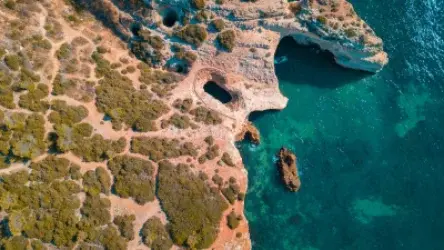
Few images capture the Azores better than this one: a circular pool of turquoise water, enclosed inside what remains of a submerged volcano, connected to the Atlantic through a narrow opening where the swell arrives already tamed. This is the Vila Franca do Campo Islet (Ilhéu de Vila Franca do Campo), just off the south coast of São Miguel, and it's also one of the most misunderstood spots in the archipelago — many visitors show up in Vila Franca do Campo without realizing the lagoon is boat-access only, that entry is seasonal and capped, and that it's a protected nature reserve, not an ordinary beach. After cross-checking the reserve's official access rules with our own São Miguel beach directory data, we put together this guide to what the islet actually is, how and when you can visit, what it costs, and which nearby beaches are worth pairing with the trip.
What the Vila Franca do Campo Islet Actually Is
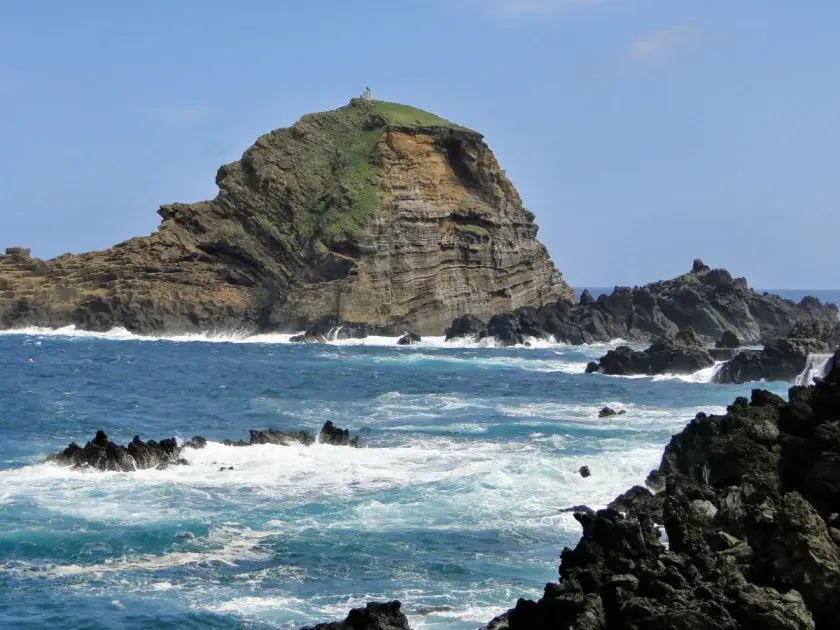
The islet is the crater of an old, now partially submerged, submarine volcano, its dark rock walls forming an almost closed ring around an inner lagoon of crystal-clear water. The only connection to the ocean is a single narrow opening, which shelters the interior from swell and explains the water's colour — ranging from turquoise to emerald green depending on the light. It has been classified as a Nature Reserve since 1983, managed to protect the seabird colony that nests on the islet's cliffs, including Cory's shearwater (the largest colony of the species in the Azores) and several gull species.
Precisely because it's a protected reserve, access is regulated: entry into the lagoon is only allowed during the bathing season, with the number of simultaneous visitors capped by the reserve authority, and only via an authorised boat transfer — you cannot swim out to the islet from the coast or reach it under your own power.
How to Visit: Boats, Hours and Tickets
The departure point is the pier in Vila Franca do Campo, about a 20-minute drive from Ponta Delgada. During the bathing season (typically June to September, with peak operation in July and August), small boats make the short crossing in a few minutes, carrying visitors into the lagoon. Access is paid and subject to a daily visitor cap set by the reserve — on busy days, especially in August, queues form at the pier and waiting times can exceed an hour.
From our own experience planning visits to this part of the island, the most consistent advice is to arrive at the pier before 10am or after lunch, avoiding the late-morning peak in August. Always bring cash for the boat ticket, sunscreen (there's no meaningful shade inside the lagoon), and water shoes, since landing on the islet is on rock and pebble, not sand.
What to Do Inside the Lagoon
The main activity is simply swimming and snorkelling in the calm, crystal-clear inner waters — visibility is usually excellent, and the absence of swell makes the lagoon safe even for less experienced swimmers, though depth increases quickly near the opening to the sea, so stay alert. A lifeguard is present during the official bathing season. Outside the water, it's worth taking in the cliffs and the seabird colony — bring binoculars if you're into birdwatching — and photographing the inside of the crater from the boat before or after your swim, since the light changes considerably at different times of day.
Best Time to Visit the Islet
Access is limited to the Azorean bathing season, which is shorter and more unpredictable than mainland Portugal's — typically June to September, with July and August the most reliably operating months and the most pleasant water temperatures (around 20-22°C). Outside this window, sea and weather conditions make the boat crossing unreliable, and the reserve usually suspends access to the lagoon altogether. Even within high season, days with strong south or southeast wind can lead to last-minute crossing cancellations — always confirm on-site or with a boat operator before travelling, especially if you're coming from another island or the mainland just for this visit.
Vila Franca do Campo and Nearby Beaches
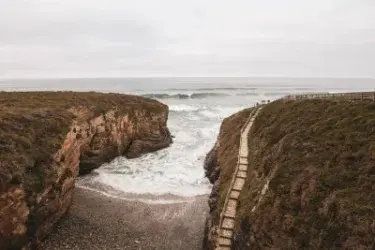
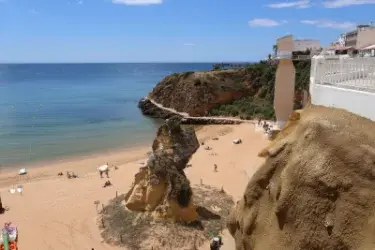
The town of Vila Franca do Campo, São Miguel's former capital before a 16th-century eruption, is today a quiet base for exploring the island's south coast, with a marina, a historic square, and good seafood restaurants. Right by the town is Praia de Água de Alto, the area's main sandy beach and the closest one to the boat pier — a natural pairing for anyone who wants to finish the day with a regular swim after the lagoon. A little further north along the island's high coast, it's worth stopping at Praia de Santa Iria, more of a dramatic Atlantic viewpoint than a swimming beach. For visitors with more time on the island, Praia dos Mosteiros on the opposite coast, and the Ferraria natural pools, fed by a hot spring, round out a well-spread beach itinerary across the island.
Planning Your Visit: Practical Tips
- Getting to Vila Franca do Campo: about a 20-minute drive or public bus ride from Ponta Delgada, home to São Miguel's international airport.
- Always bring: cash for the boat ticket, sunscreen, water shoes and a towel — there's no support infrastructure inside the lagoon itself.
- Budget waiting time: on busy summer days, expect a queue at the pier; don't schedule the islet visit as your last commitment of the day if you have a flight or ferry to catch afterwards.
- Pair it with Água de Alto: the closest beach to the pier is a good option for continuing the afternoon after the boat trip.
Frequently Asked Questions About the Vila Franca do Campo Islet
Can you swim to the islet from the coast?
No. The distance from shore and the nature reserve's rules require an authorised boat transfer; swimming out to the islet from land is neither permitted nor safe.
How long does a visit take?
The boat crossing itself takes just a few minutes, but most visitors budget 1 to 2 hours in total, including waiting time at the pier, the crossing, and time spent inside the lagoon.
Is the islet open year-round?
No. Access is limited to the bathing season, typically June through September, and depends on daily sea conditions. Outside this window, the reserve usually closes access to the lagoon entirely.
Is there a limit on the number of visitors?
Yes. Because it's a nature reserve with a protected seabird colony, the managing authority caps how many people can be inside the lagoon at once, which can create queues at the pier on busy days.
What's the closest beach to continue the day after visiting?
Praia de Água de Alto, right by the centre of Vila Franca do Campo and just minutes from the boat departure pier, is the most practical and most visited option on the island's south coast.
Conclusion
For many visitors, the Vila Franca do Campo Islet is the single experience that best sums up what makes the Azores unique: a submerged volcano turned protected natural pool, just a short boat ride from a historic town. It's worth planning the visit in advance — arriving early, checking sea conditions, and budgeting enough time — rather than squeezing it in as a rushed stop between other sights. To round out your itinerary, explore the rest of the Azores beaches in our directory, and check out our broader guide to the beaches of all nine Azorean islands to plan the rest of your trip.
- What it is: the crater of a submerged volcano with an inner natural lagoon, a Nature Reserve since 1983
- Access: authorised boat only, departing from the Vila Franca do Campo pier — no swimming or self-guided access
- Season: June to September, with July and August the most reliably operating months
- Distance: about a 20-minute drive/bus ride from Ponta Delgada
- Pair with: Praia de Água de Alto (the closest beach) and the historic town of Vila Franca do Campo
- Bring: cash for the ticket, sunscreen and water shoes