
Azores
The Azores region is one of Portugal's tourist regions — volcanic black sand beaches, natural lava pools and a unique Atlantic scenery in the middle of the ocean. The Azores region currently brings together 20 beaches catalogued on Praias de Portugal. Of the total, 10 hold the Blue Flag distinction, an indicator of water quality, safety and infrastructure. Among the most sought-after beaches in the region are Praia de Santa Bárbara, Praia de Santa Cruz das Flores, Praia da Vitória, Praia de São Roque do Pico and Piscinas Naturais da Ferraria.
Beaches and Landscape
The landscape of the Azores is characterised by volcanic black sand beaches, natural lava pools and a unique Atlantic scenery in the middle of the ocean. Each beach in the region has its own characteristics of sand, access and exposure to wind, so it's worth exploring more than one option before deciding where to spend the day. Check each beach's page for details on accessibility, parking, beach support facilities and sea conditions.
When to Visit
The best time to visit the Azores is from June to September, although the archipelago is a good destination for most of the year. Outside peak season, the region offers fewer crowds, lower accommodation prices and, in many cases, equally good conditions for enjoying the coast.
Activities
Beyond beach days, the Azores region is an ideal destination for diving and whale and dolphin watching, natural volcanic lava pools and hiking through unique landscapes. The combination of coastline and nearby natural or cultural heritage makes the region suitable both for relaxation-focused stays and more active trips.
How to Get There
The reference airport for reaching the Azores is Ponta Delgada (PDL), Terceira (TER) or another Azorean airport depending on the island. From there, the Portuguese road network easily connects to the region's main beaches and towns, and there are options for car rental, regional public transport and private transfers.
Frequently Asked Questions
What is the best beach in the Azores? There's no single answer — it depends on what you're looking for (a wide stretch of sand, cliffs, waves for surfing, tranquillity). Explore our catalogue of beaches in the region to compare reviews, amenities and photos before deciding.
How many beaches does the Azores region have? We currently catalogue 20 beaches in the Azores, each with its own page, location and practical information on Praias de Portugal.
When is the best time to visit the Azores? We recommend June to September, although the archipelago is a good destination for most of the year, depending on the type of experience you're after (a quiet beach, surf or fewer crowds).
Is the Azores region a good option for families? Yes, most beaches in the region have easy access and beach support facilities, although there are also wilder spots recommended only for more experienced visitors — always check each beach's individual page.
How do you get to the Azores? The nearest airport is Ponta Delgada (PDL), Terceira (TER) or another Azorean airport depending on the island, with good road connections to the region's beaches from there.
Editorial content by the Praias de Portugal team. Information compiled from public data, our own cataloguing of the region's beaches and general tourism context. We recommend confirming current conditions (access, beach support, water quality) before travelling.
Beaches
27 beaches found
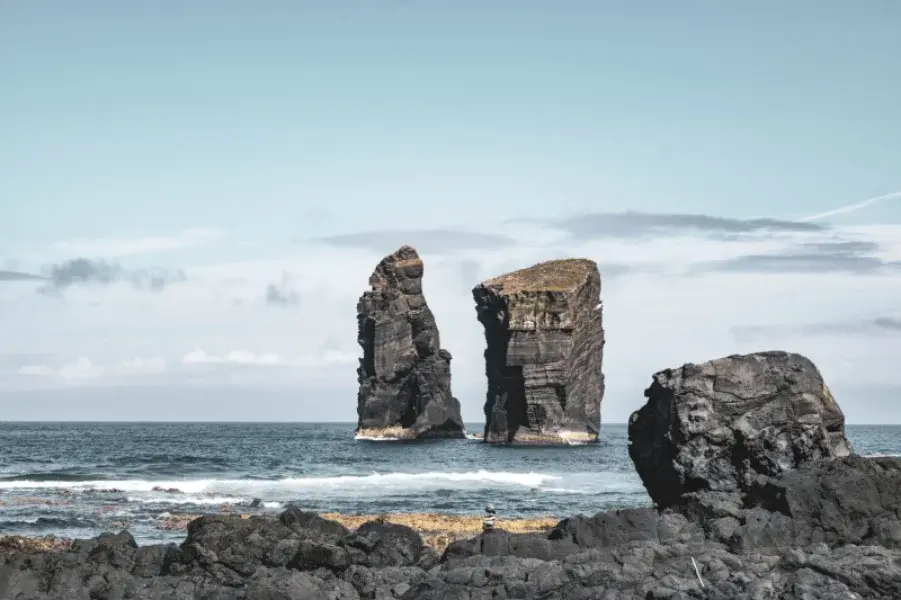
Vila Franca do Campo Islet
Azores
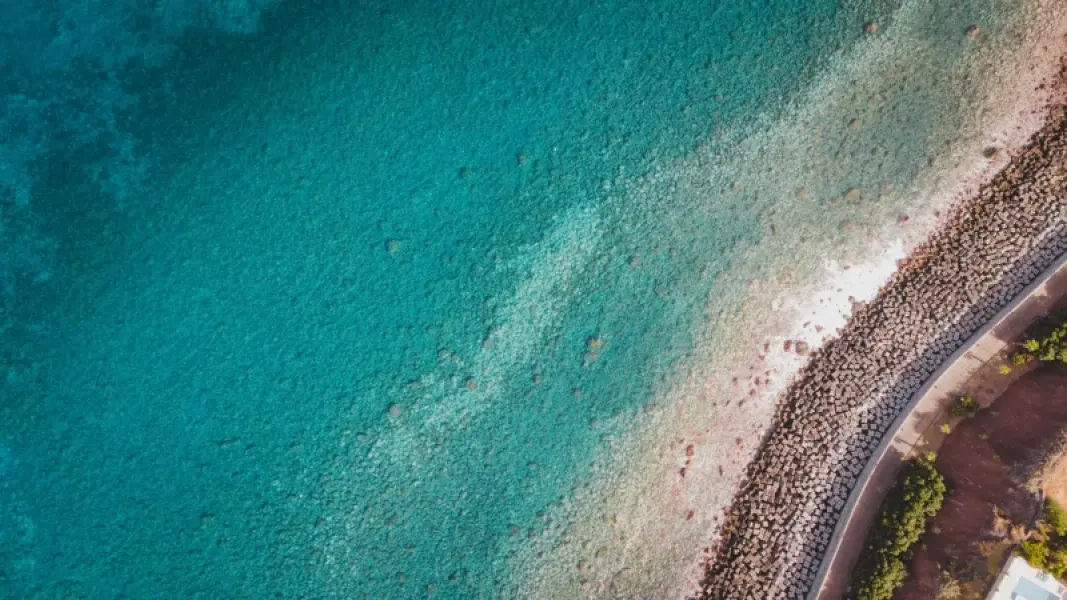
Ferraria Natural Pools
Azores
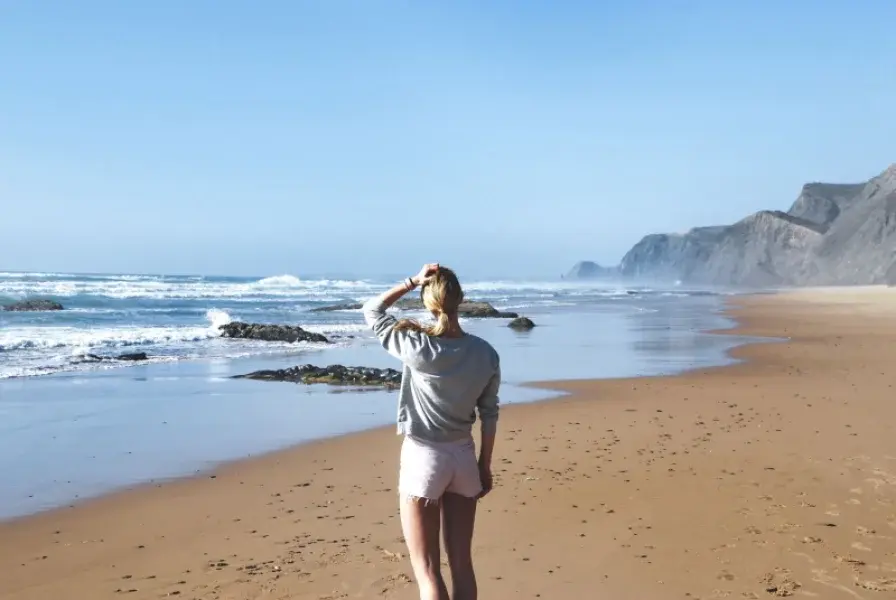 🏴 Blue Flag 2025
Biscoitos Natural Pools
Azores
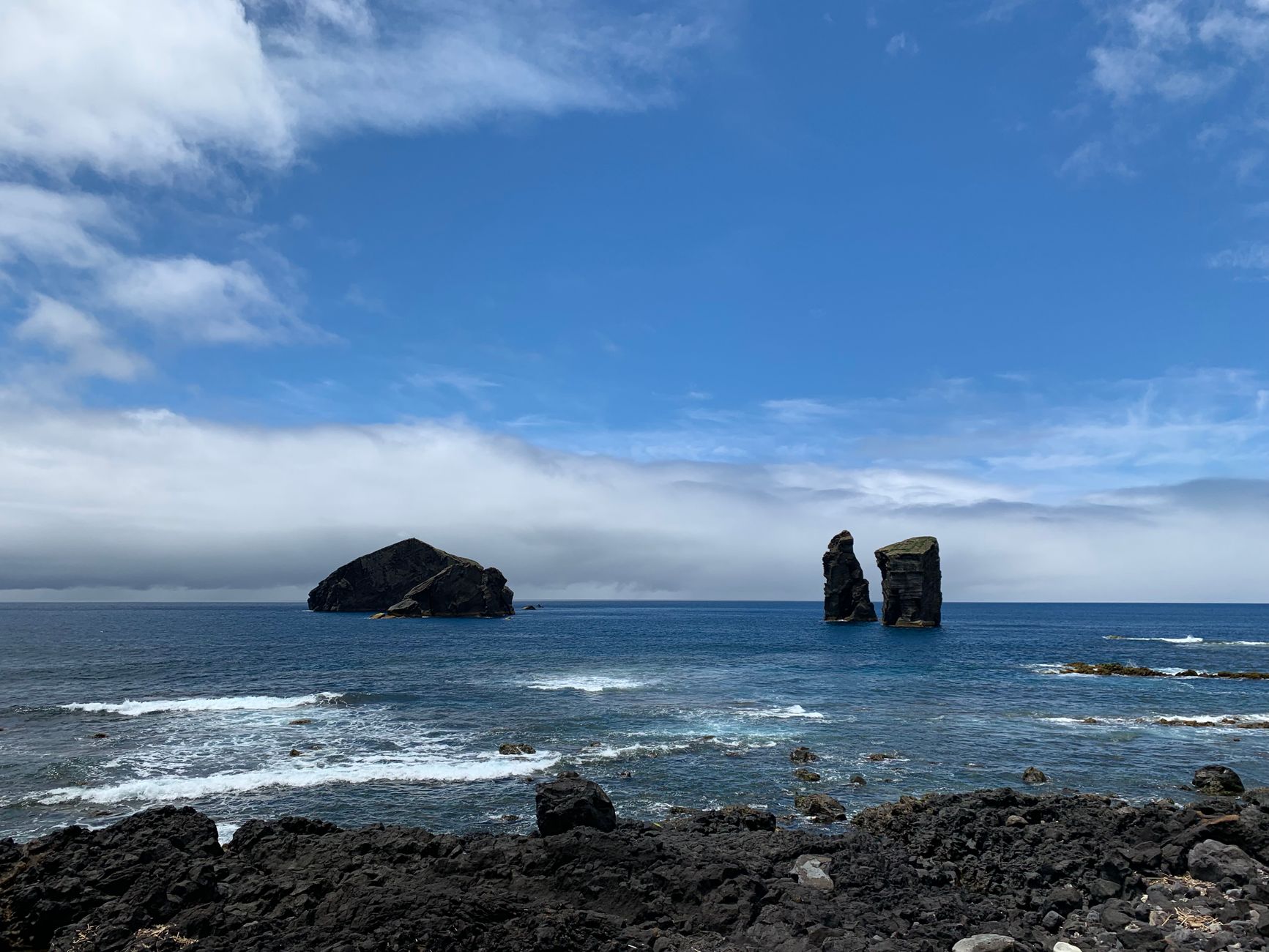
Piscinas Naturais dos Caneiros
Azores
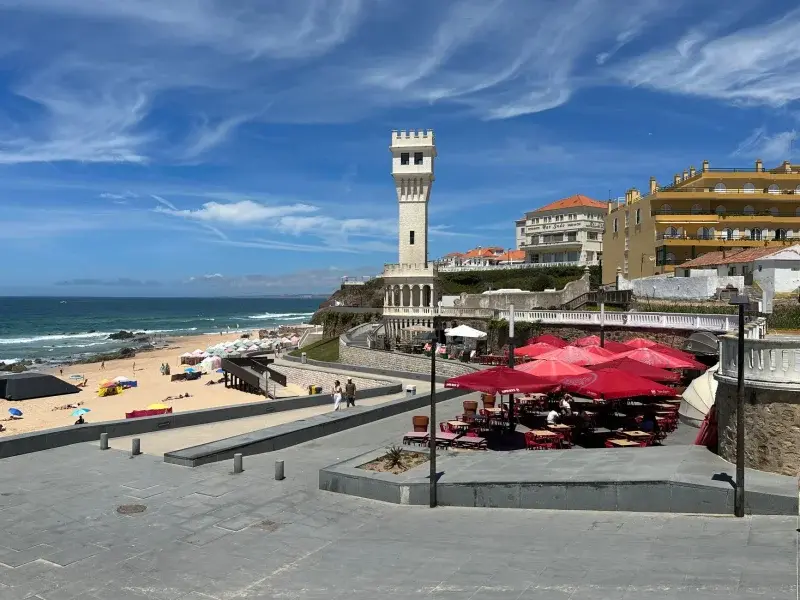
Poça de Simão Dias Natural Pool
Azores
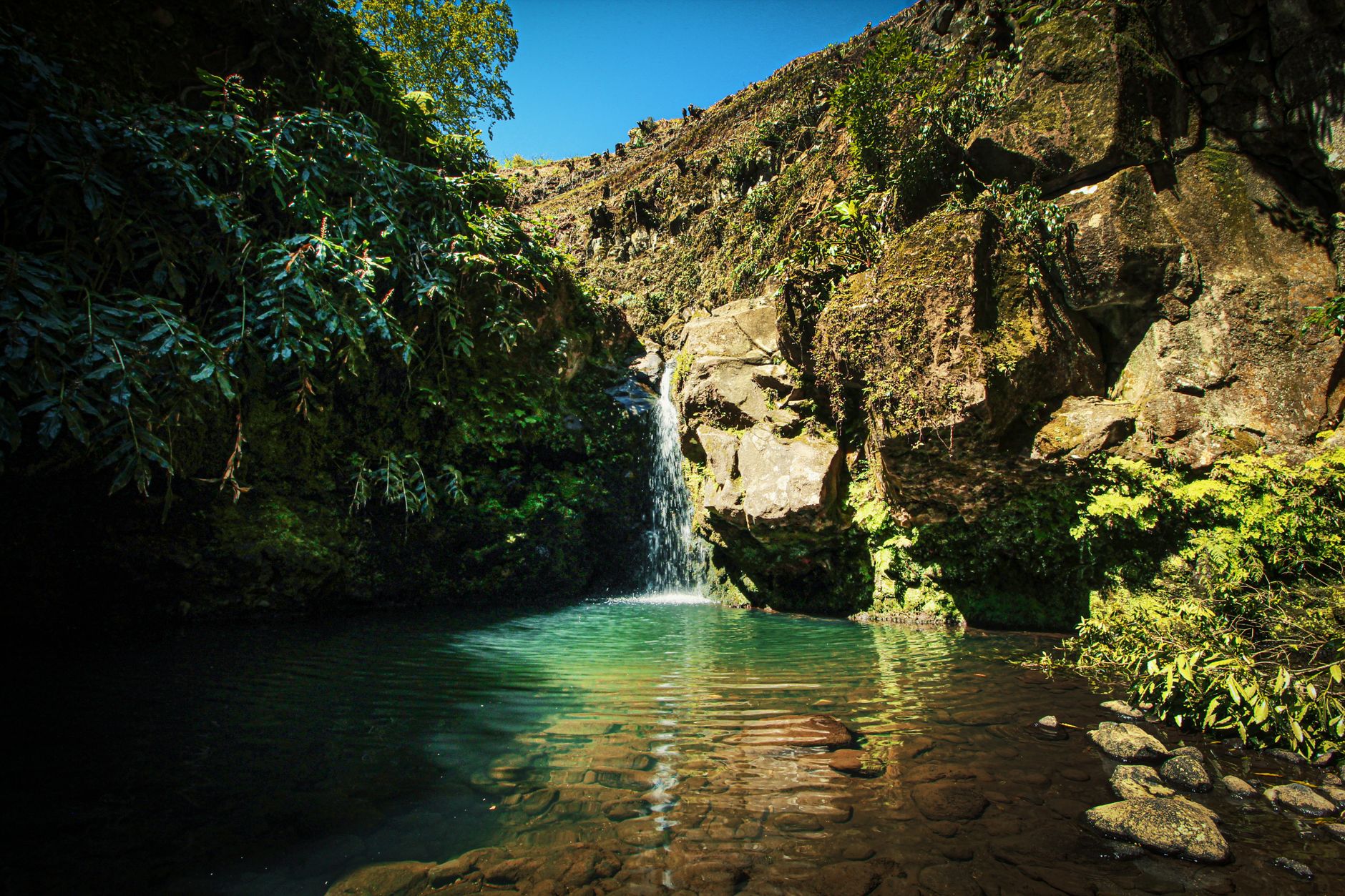
Poços das Calhetas
Azores
 🏴 Blue Flag 2025
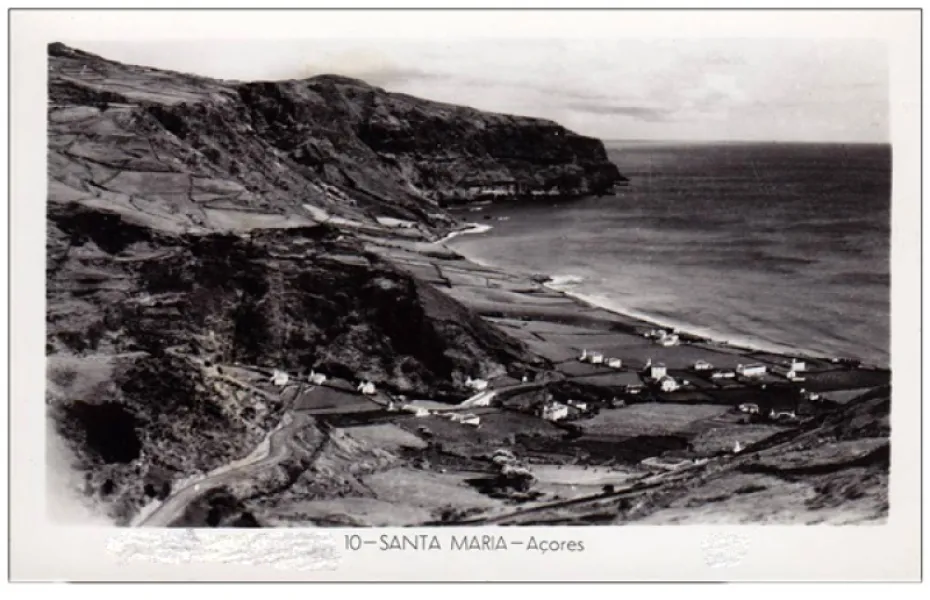
Praia Formosa Santa Maria
Azores
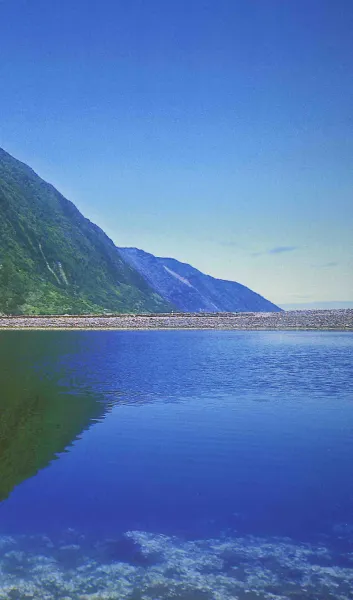
Praia da Fajã dos Cubres
Azores
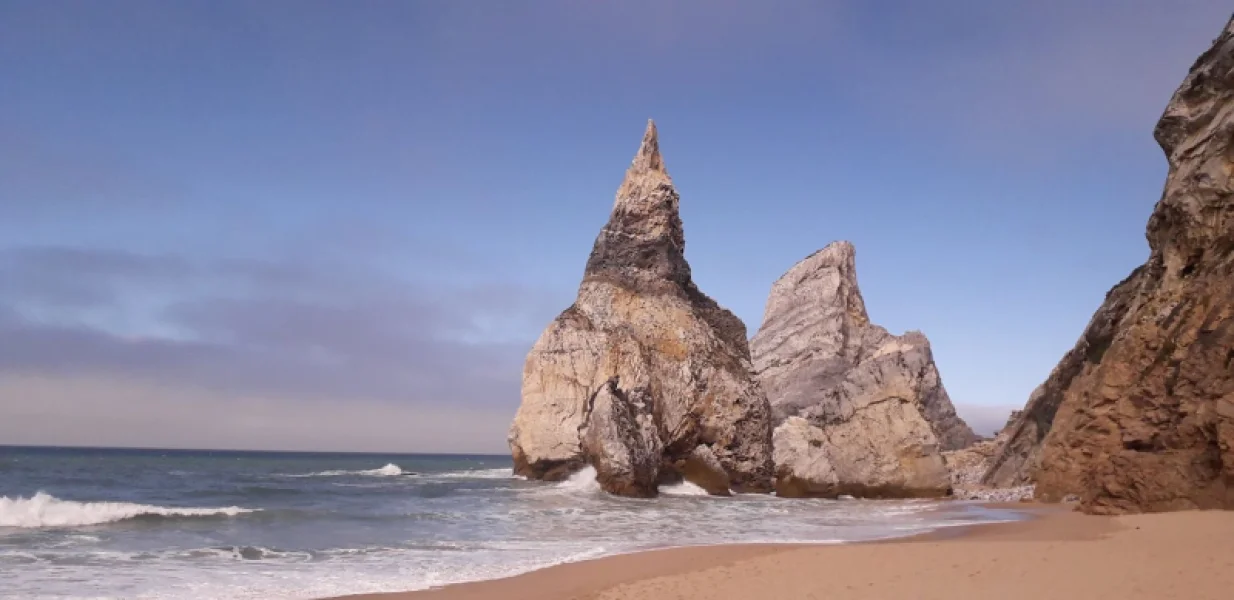
Praia da Pedreira
Azores
 🏴 Blue Flag
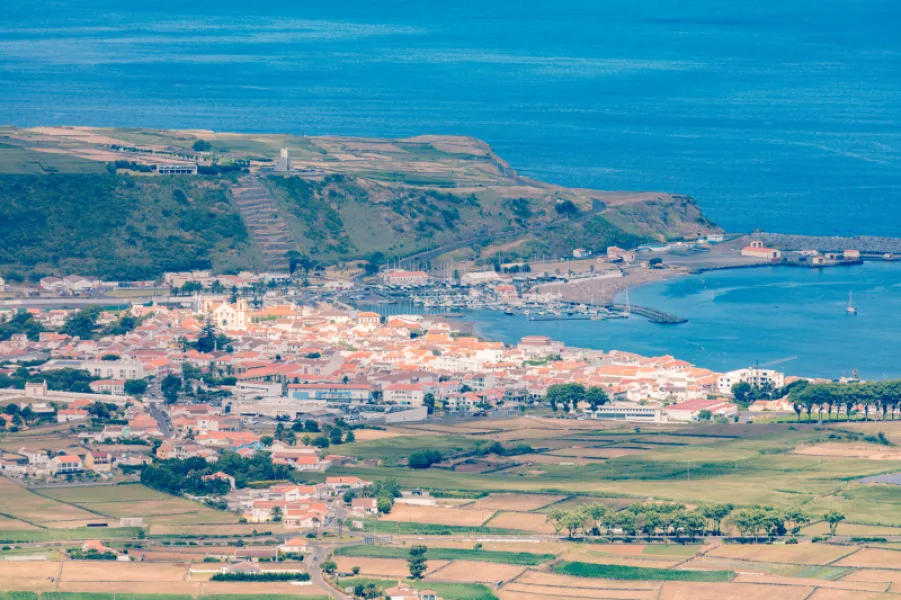
Praia da Vitória
Azores
 🏴 Blue Flag 2026
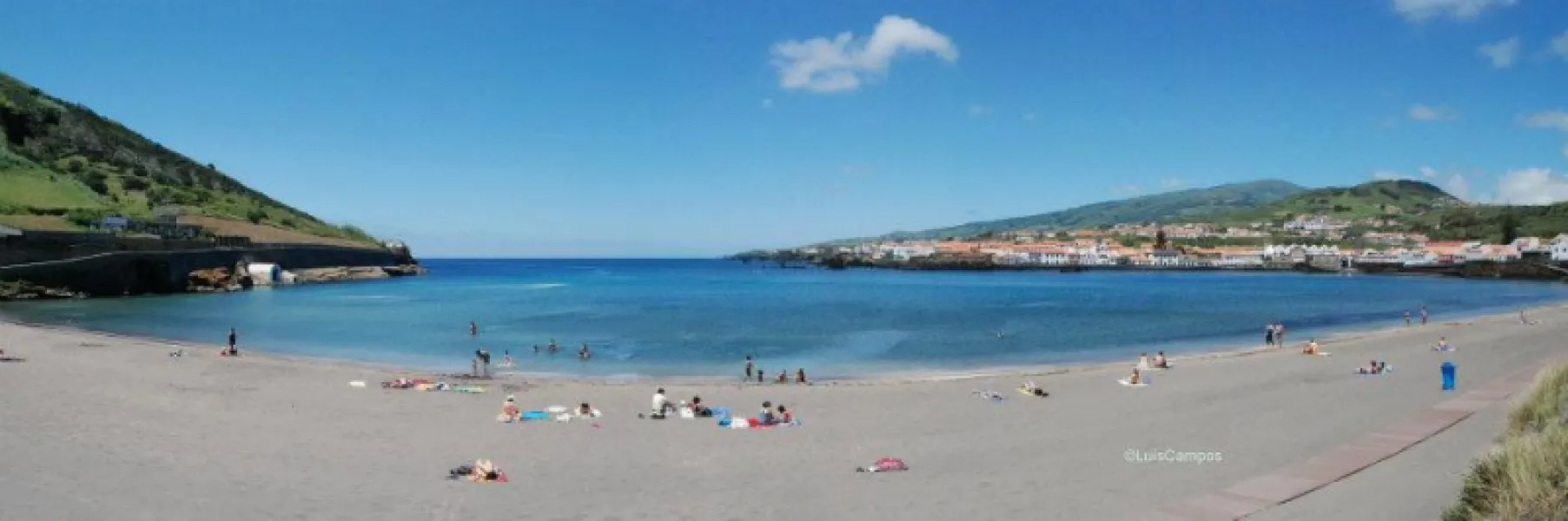
Milícias Beach
Azores
 🏴 Blue Flag 2026
Porto Pim Beach
Azores
Map
All beaches in Azores
- Água de Alto Beach
- Almoxarife Beach 🏴
- Biscoitos Natural Pools
- Ferraria Natural Pools
- Milícias Beach 🏴
- Monte Verde Beach
- Mosteiros Beach
- Piscinas Naturais dos Caneiros
- Poça de Simão Dias Natural Pool
- Poços das Calhetas
- Pópulo Beach 🏴
- Porto Pim Beach 🏴
- Praia Formosa Santa Maria
- Praia da Fajã dos Cubres
- Praia da Pedreira
- Praia da Vitória
- Praia de Santa Bárbara
- Praia de Santa Cruz das Flores
- Praia de Santana
- Praia de São Roque do Pico
- Praia do Fogo 🏴
- Praia do Lombo Gordo
- Praia do Tufo
- Santa Iria Beach
- São Lourenço Beach
- Varadouro Bathing Area
- Vila Franca do Campo Islet