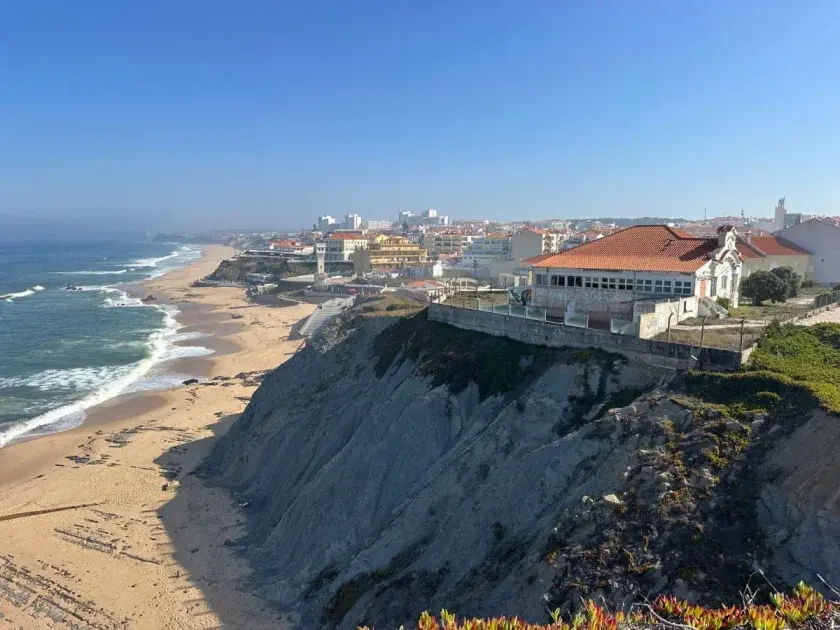
Portugal has one of Europe's finest coastlines for beach lovers — over 800 kilometres of Atlantic shore, dozens of islands in the Azores and Madeira, and a climate that allows swimming in some regions for almost the entire year. But the question every traveller asks is the same: when is the best time to visit Portugal's beaches? The answer depends on what you are looking for — warm water, empty beaches, perfect surf, or guaranteed sunshine without the crowds.
In this month-by-month guide, we analyse conditions across every season — air and sea temperatures, tourist pressure, accommodation prices, and which coastal regions shine brightest at each time of year. Whether you are planning a summer holiday or a quiet October escape, this is the guide you need.
Key Takeaway: The best time to visit Portugal's beaches is June to September for swimming, with September and October standing out as the best value-for-money period. The Algarve offers near-guaranteed sunshine; the North shines in spring. The Azores and Madeira have their own distinct rhythms year-round.
Portugal's Beach Climate: What to Expect by Region
Mainland Portugal has a Mediterranean climate with Atlantic influence — hot, dry summers and mild, rainy winters. But there is significant regional variation:
- Algarve (south): The warmest and driest region. Long summer (May to October) with air temperatures between 28°C and 35°C in July–August. Sea water between 21°C and 24°C in August. Over 300 sunny days per year.
- Alentejo Coast: Wild Atlantic coastline with high summer air temperatures but refreshing Atlantic breezes. Less mass tourism, quieter beaches.
- Lisbon and Setúbal Coast: Pleasant summers with warm afternoons. The cold Atlantic current keeps sea temperatures between 17°C and 20°C — refreshing but rarely uncomfortable.
- Silver Coast and Centre: More variable climate. Hot summers with frequent morning fog. Cooler sea (16°C–19°C). Excellent for surfing.
- North (Minho, Douro Litoral): Short but intense summer. Beaches fill in July–August. March to May can be surprisingly good — mild and uncrowded.
- Madeira: Mild all year (18°C–26°C). No truly "bad" season — just accept the occasional shower, especially at higher elevations.
- Azores: Unpredictable Atlantic climate. Summer (July–September) is best for beaches and diving. It can be sunny in the morning and rainy in the afternoon in any month.
Month-by-Month Guide: When to Visit Portugal's Beaches
January and February — Atlantic Winter
Portugal's coastal winter is far milder than most northern Europeans expect. In the Algarve, days of 16°C–18°C with full sunshine are common, making the region perfect for coastal walks, golf and sightseeing without queues. Sea water hovers around 15°C–16°C — cold for swimmers but ideal for surfers and divers in wetsuits.
In the North and Centre, January and February are the rainiest months. Beaches are deserted and hauntingly beautiful. In Nazaré, this is the season of giant waves — between November and March, the Nazaré Canyon produces 20–30 metre monsters that draw elite surfers from around the world.
Best for: Experienced surfers, giant wave watching in Nazaré, ecotourism, cultural visits in the Algarve.
Avoid: Swimming on the mainland (cold water, wind).
Prices: Low season — the most affordable time of year in most regions.
March and April — Coastal Spring
Spring is the most underrated season to visit Portugal's coast. By March, the Algarve already sees days of 19°C–21°C. Blue Flag beaches are nearly deserted. The coast bursts into bloom — almond trees in the western Algarve, lavender clearings on the Vicentine Coast, intense green in the Minho.
In April, temperatures rise to 20°C–24°C in the Algarve and 16°C–19°C in the North. The sea is still cool (14°C–17°C), but the setting is magnificent for coastal hiking, photography and crowd-free visits.
Best for: Coastal hiking, photography, couples escapes, quality surfing.
Sea water: 14°C–17°C (cold for swimmers; good in a wetsuit).
Prices: Still low/mid season — excellent value.
May — The Golden Season Begins
May marks the start of the golden season on Portugal's coast. In the Algarve, temperatures reach 22°C–26°C, the sea warms to 18°C–19°C and days are long — sometimes 14 hours of daylight. Tourist numbers are still moderate compared to July–August, prices are below peak, and nature is at its finest.
It is the ideal month for the Vicentine Coast — Portugal's wildest shoreline and one of the most pristine in Western Europe. The cold Atlantic current keeps water temperatures fresh (17°C–19°C), which keeps beach crowds away but guarantees near-deserted sands even at popular spots.
Best for: Vicentine Coast, Algarve without crowds, nature and photography.
Sea water: 17°C–19°C (pleasant for snorkelling and diving).
Prices: Mid-season — good value, especially outside May bank holidays.
June — Guaranteed Sun, Warming Sea
June marks the official start of the beach season in Portugal. Most beaches activate lifeguard services, beach bars open full-time and summer festivals begin. Average temperatures in the Algarve sit between 24°C and 29°C, and the sea reaches 20°C–21°C in the south.
For the best of both worlds — sunshine, warm sea and still-manageable crowds — the first two weeks of June are perfect. The Feast of Saint Anthony (13 June) is a public holiday and creates a long weekend that briefly pushes up prices around Lisbon.
Best for: Algarve, Arrábida, Alentejo Coast beaches, families with children.
Sea water: 19°C–22°C (comfortable for extended swimming).
Prices: High season kicking in — book accommodation early for July–August.
July and August — Peak Summer
July and August are the busiest months on Portugal's beaches — and also the best for guaranteed sunshine, warm water and a lively atmosphere. The Algarve reaches its maximum temperatures (30°C–35°C), the sea warms to 22°C–24°C and days have over 14 hours of daylight. Algarve beaches fill with visitors from across Europe.
August is the peak of tourist pressure on the coast. To avoid the worst of the crowds:
- Arrive early (before 10am) or late in the afternoon (after 5pm)
- Explore lesser-known beaches away from major resort towns
- Consider alternative regions such as the northern coast or inland river beaches
- Visit islands such as the Azores or Madeira, where tourist flows are different
Best for: All coast — especially Algarve, Alentejo Coast, Lisbon area and Silver Coast.
Sea water: 22°C–25°C in the Algarve; 18°C–20°C in the North.
Prices: High season — highest prices of the year. Book 2–4 months ahead.
September and October — Portugal's Best-Kept Secret
September and October are, without doubt, Portugal's best-kept beach secret — and the favourite period of experienced travellers. The reasons are simple: the crowds vanish, prices drop 20%–40% from the August peak, but the sun stays generous and the sea reaches its warmest temperatures of the year.
In September, the Algarve averages 26°C–28°C during the day, the sea is at 23°C–24°C and beaches have room to breathe. In October, temperatures ease slightly to 22°C–24°C but the sea holds at 21°C–22°C — perfect for swimming. Sunsets are spectacular, local restaurants have tables available and the atmosphere is more authentic. Discover the best beaches for sunset in Portugal — September evenings are breathtaking.
Best for: All traveller profiles. Best value for money of the year.
Sea water: 21°C–24°C (peak of the year in the Algarve).
Prices: Mid to low season — 20%–40% below August peak.
November and December — Mild Winter in the South
In the Algarve, November and December offer a mild winter that many European expats choose for extended stays. Temperatures remain between 15°C and 18°C, rain is infrequent (less than in Lisbon or Porto) and the region enjoys an unusual quality of life for the season. Not swimming weather, but ideal for:
- Hiking on the Via Algarviana and Rota Vicentina trails
- Golf at the most affordable rates and without waiting times
- Winter gastronomy — clams, barnacles, cataplanas
- Cultural visits to Faro, Silves, Lagos and other historic centres
In Nazaré, November is the month that big-wave surf fans mark on their calendars. The TUDOR Nazaré Big Wave Challenge waits for the "perfect storm" between November and March — when conditions are ideal, the event is announced with just 24–48 hours notice.
Best for: Algarve (extended stay, golf, hiking), Nazaré (giant waves).
Sea water: 16°C–17°C (cold for swimmers, manageable in a wetsuit).
Prices: Low season — the cheapest time of year.
Sea Water Temperature in Portugal: Monthly Guide by Region
- January–March: Algarve 15°C–16°C | Lisbon Coast 14°C–15°C | North 13°C–14°C
- April–May: Algarve 17°C–19°C | Lisbon Coast 15°C–17°C | North 14°C–16°C
- June: Algarve 20°C–21°C | Lisbon Coast 18°C–19°C | North 16°C–17°C
- July: Algarve 22°C–23°C | Lisbon Coast 19°C–21°C | North 17°C–19°C
- August: Algarve 23°C–24°C | Lisbon Coast 20°C–22°C | North 18°C–20°C
- September: Algarve 23°C–24°C | Lisbon Coast 21°C–22°C | North 19°C–20°C
- October: Algarve 21°C–22°C | Lisbon Coast 19°C–20°C | North 17°C–18°C
- November–December: Algarve 16°C–17°C | Lisbon Coast 16°C | North 14°C–15°C
Note: Coastal upwelling currents can temporarily drop sea temperatures by 3°C–5°C on the west coast, especially in July–August. This phenomenon is most frequent between Nazaré and Sagres.
Best Season by Beach Activity
Surfing
Portugal's west coast has waves year-round, but the most consistent quality surf season runs from September to April. Peniche, Ericeira, Nazaré and the Vicentine Coast reach their peak potential in this period, with more regular and powerful Atlantic swell. Summer brings calmer seas but with waves good for intermediate surfers. See our guide to the best surf beaches in Portugal.
Diving and Snorkelling
The best underwater visibility in Portugal coincides with summer and early autumn. June to October are the ideal months, with calmer seas and visibility up to 15–20 metres at spots such as Berlenga, Sagres, Sesimbra and the Azores.
River Beaches
Portugal's inland river beaches peak in July and August, when temperatures in the interior exceed 35°C and rivers are at their warmest. The Rio Alva, Tâmega and Zêzere beaches fill with families seeking a cooler alternative to the coast. Explore our complete guide to Portugal's river beaches.
Family Beaches with Children
For families with young children, the ideal window is June to September, with protected bays like São Martinho do Porto, Armação de Pêra and the Ria Formosa beaches in Tavira being particularly recommended. September offers fewer crowds, lower prices and still-warm sea. See the best family beaches in Portugal.
Tips for Avoiding Crowds on Portuguese Beaches
- Travel in September: The best week is the second half of September — schools are back, the sea is warm and prices have dropped.
- Avoid August at popular spots: Praia da Marinha, Benagil and Meia Praia in the Algarve become overcrowded. Prefer November to May for a more authentic experience.
- Arrive early or late: Between 8am and 10am, and between 5pm and sunset, the most popular beaches have 50%–70% fewer people.
- Use public transport: Our guide on getting to Portugal beaches without a car has tips for public transport travellers.
- Head north: The Minho and Douro coast beaches have wild beauty and are far less congested than the Algarve, even in August.
FAQ — Frequently Asked Questions About the Best Time to Visit Portugal Beaches
What is the warmest month for beaches in Portugal?
August has the highest air temperatures in mainland Portugal, especially in the Algarve (averaging 30°C–35°C). However, sea water temperatures peak in September in the Algarve (23°C–24°C), making this the ideal month for warm swimming with less extreme heat and fewer crowds.
When does the official beach season start in Portugal?
The official beach season in mainland Portugal typically runs from 15 June to 15 September, when beaches have lifeguards and full services. In the Algarve, many beaches already have services from May. In regions such as Madeira and the Ria Formosa beaches near Tavira, good swimming conditions are possible from April through October.
Is Portugal hotter than Spain in summer?
Portugal's interior (Alentejo, Trás-os-Montes) can be as hot as or hotter than inland Spain, with peaks above 40°C in summer. However, Portugal's Atlantic coast is cooled by ocean currents, making beaches fresher than Spain's Mediterranean coast. The Algarve is broadly comparable to the Murcia and Almeria coasts, but with slightly cooler water.
When are Portugal's beaches least crowded?
The least busy period for Portuguese beaches is November to March. Even in the Algarve, beaches are practically deserted. For those who want empty beaches with pleasant weather, the second half of September and all of October offer guaranteed sun, warm sea and no crowds.
Are the Azores worth visiting for beaches?
Yes, absolutely. The Azores have some of the world's most unique beaches: black volcanic sand beaches like Praia do Fogo in São Miguel, basalt rock natural pools like Biscoitos in Terceira, and world-class diving with whale sharks and manta rays. The best season is July to September. See our complete Azores beach guide.
Is October a good month to visit the Algarve?
October is one of the best months to visit the Algarve for those who want sun, warmth and empty beaches. Average air temperatures of 22°C–24°C, sea water at 21°C–22°C, and virtually no queues or crowds. Accommodation prices drop 30%–40% from August levels. The autumn light also creates extraordinary photography conditions along the Algarve cliffs and coastline.